Sri Bhakta Aanjaneya Trust houses sacred deities representing different aspects of divinity. Each deity is meticulously consecrated and worshipped with devotion and reverence. We invite you to learn about the divine forms enshrined within our temple walls.
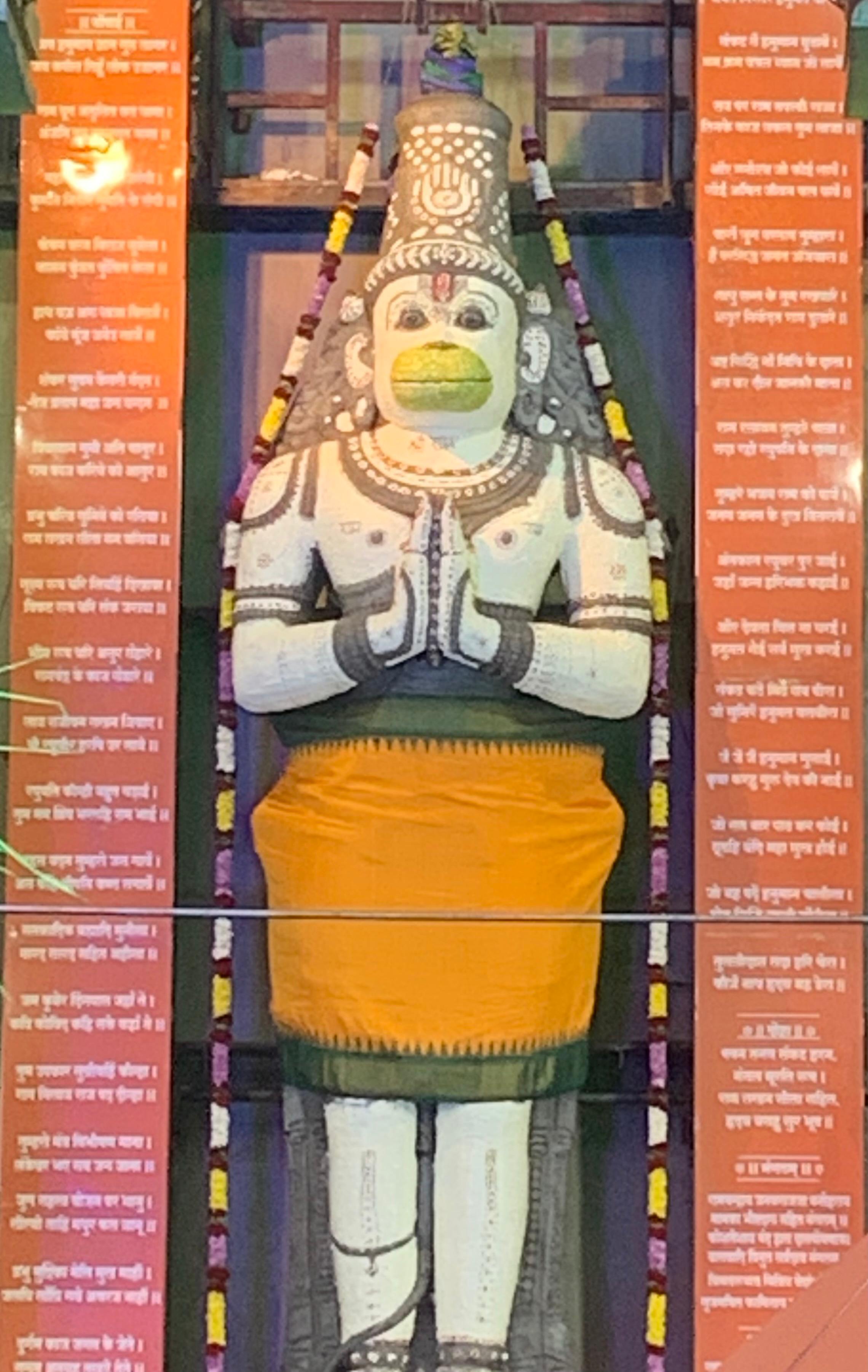
Sri Bhakta Aanjaneya
The Majestic Vishwaroopa Avatar
The crowning glory of our temple, Sri Bhakta Aanjaneya stands majestically at 33 feet tall—once the tallest Hanuman statue in India. This magnificent Vishwaroopa form was carved from a single 55-ton granite stone by the renowned Padmashri M. Muthiah Sthapathi, a master sculptor of Dravidian tradition.
Consecration: 9 February 2000
Divine Features: Standing with lotus pedestal and hands folded in prayer, the idol displays serene meditation in its eyes. Adorned with kundalam (earrings), keuryaha, kankanas (bangles), and thandai (chest ornament), every detail reflects the sculptor's devotion.
Sacred Rituals: Daily abhishekam (ritual bathing) and special poojas are performed with utmost reverence. The temple bells resound with the chanting of mantras that honor this divine form.
Spiritual Significance: Hanuman represents supreme intelligence, boundless strength, eternal fame, and mastery of speech. Devotees seek his blessings for courage, wisdom, and the strength to overcome obstacles in life.
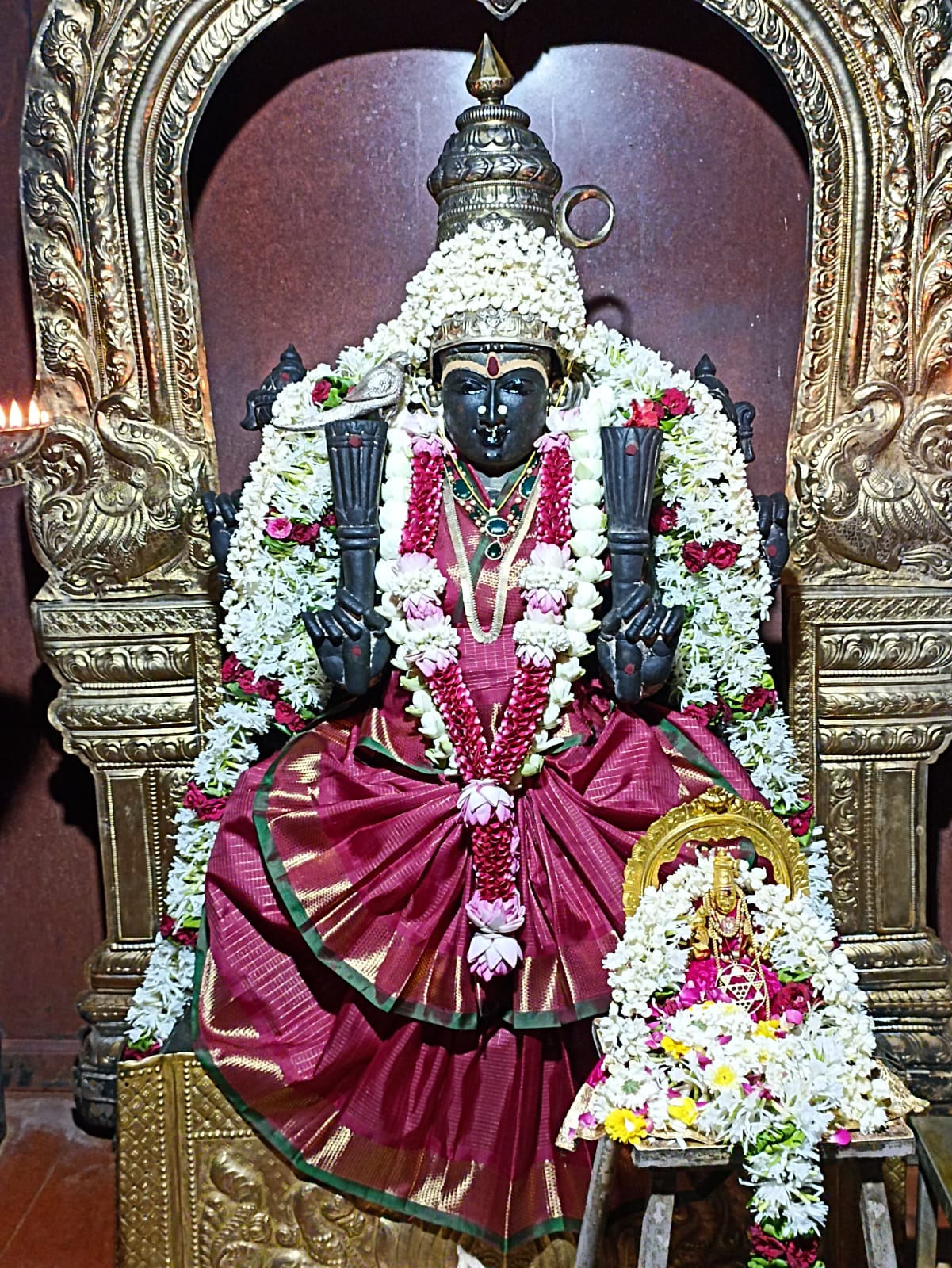
Devi Kamakshi Amman
Uttara Kamakshi Ambal - Fulfiller of Desires
The resplendent Devi Kamakshi Amman is an exact replica of the revered Sri Kamakshi at Kanchipuram, one of the most sacred Shakti peethas in South India. Her presence brings the divine grace of the motherland to our temple.
Consecration: 19 February 2006 by Sri Jayendra Saraswathi, the Kanchi Kamakoti Jagadguru
Divine Nature: The Goddess of desire fulfillment and cosmic power, Kamakshi Amman is worshipped as the supreme mother who grants blessings to all sincere devotees.
Sacred Observances: Chandi Homam (fire ritual) is performed every Pournami (full moon) to invoke her divine grace. During the auspicious Aadi month, special Bhagavathi Seva and Vilakku Poojas are conducted with elaborate rituals.
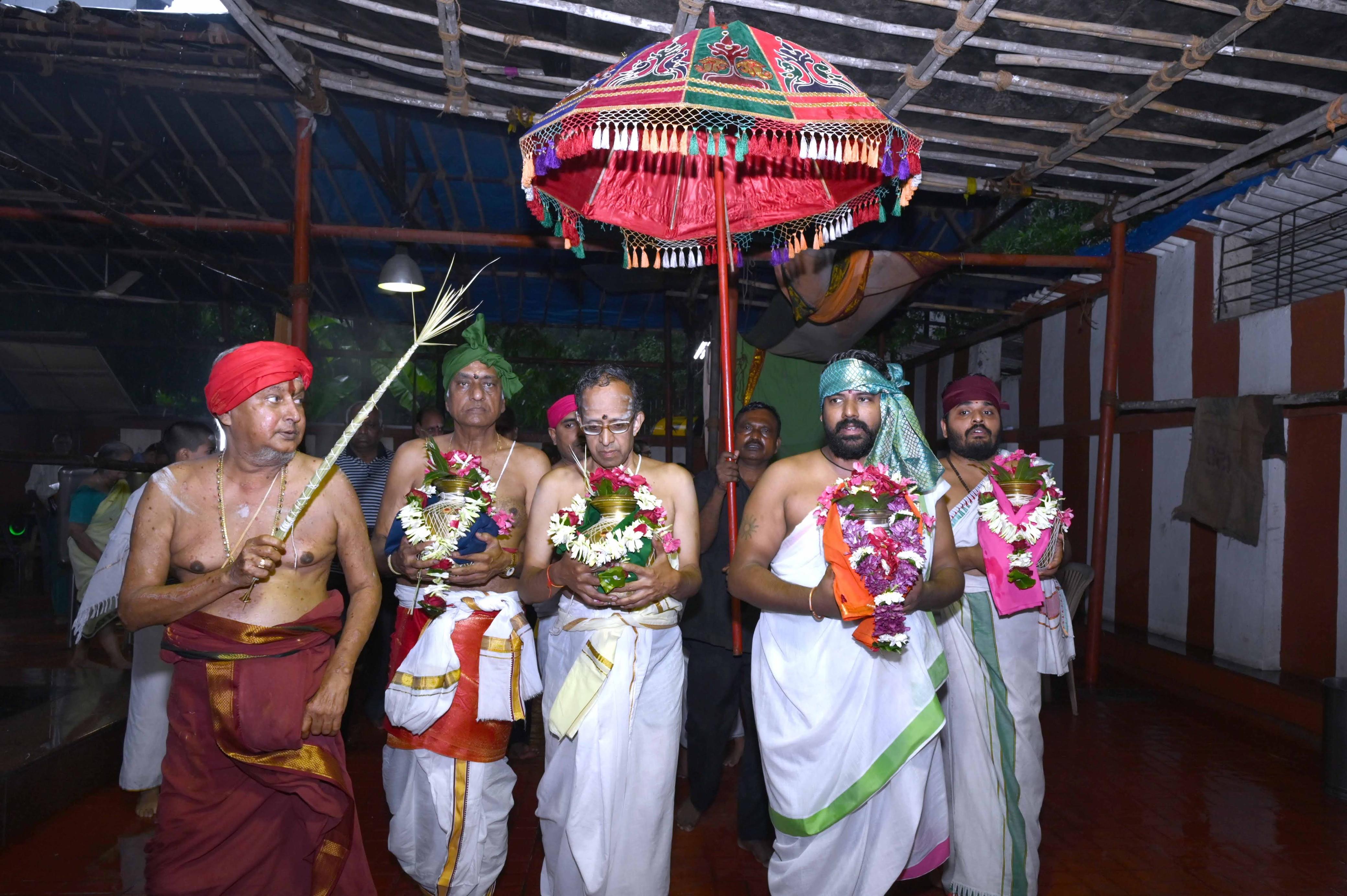
Sri Ramchandra
The Avatar of Righteousness
The sacred Ram Darbar enshrines Lord Rama in divine splendor, accompanied by the gracious Sita Devi, the devoted Lakshmana, and the ever-faithful Hanuman. This ensemble represents the highest ideals of dharma and familial virtue.
Consecration: December 2001
Divine Symbolism: Lord Rama is the seventh avatar of Vishnu, the supreme preserver. His life epitomizes righteousness, duty, honor, and unwavering adherence to dharma even in the face of personal sacrifice.
Spiritual Significance: Ram Darbar represents the ideal kingdom, the perfect father, the perfect son, and the perfect ruler. His name—"Rama-nama"—is considered a powerful mantra that liberates the soul.
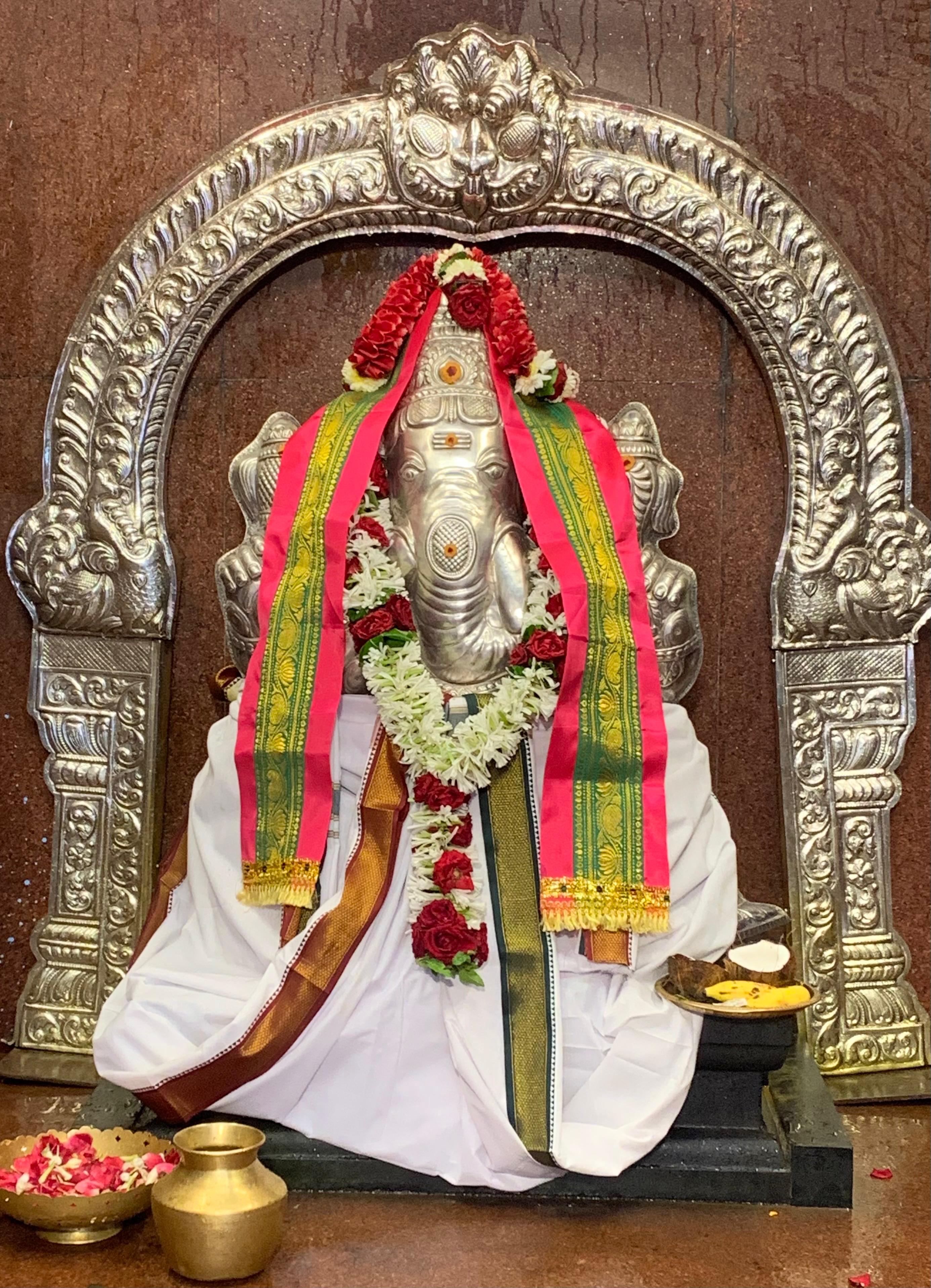
Sri Ganesh
Vighneshwara - Remover of All Obstacles
Lord Ganesh, the elephant-headed deity, holds a place of supreme importance in Hindu worship. He is traditionally worshipped at the beginning of all spiritual endeavors, rituals, and new ventures.
Consecration: December 2001
Divine Attributes: As Vighneshwara, Ganesh removes obstacles and ensures smooth progress in all undertakings. His wisdom, benevolence, and auspiciousness are invoked before beginning any sacred activity.
Spiritual Significance: Ganesh represents intellect, wisdom, and prudence. His trunk symbolizes the power to discriminate between good and evil. Devotees seek his blessings for success, prosperity, and the removal of hindrances in their path toward liberation.
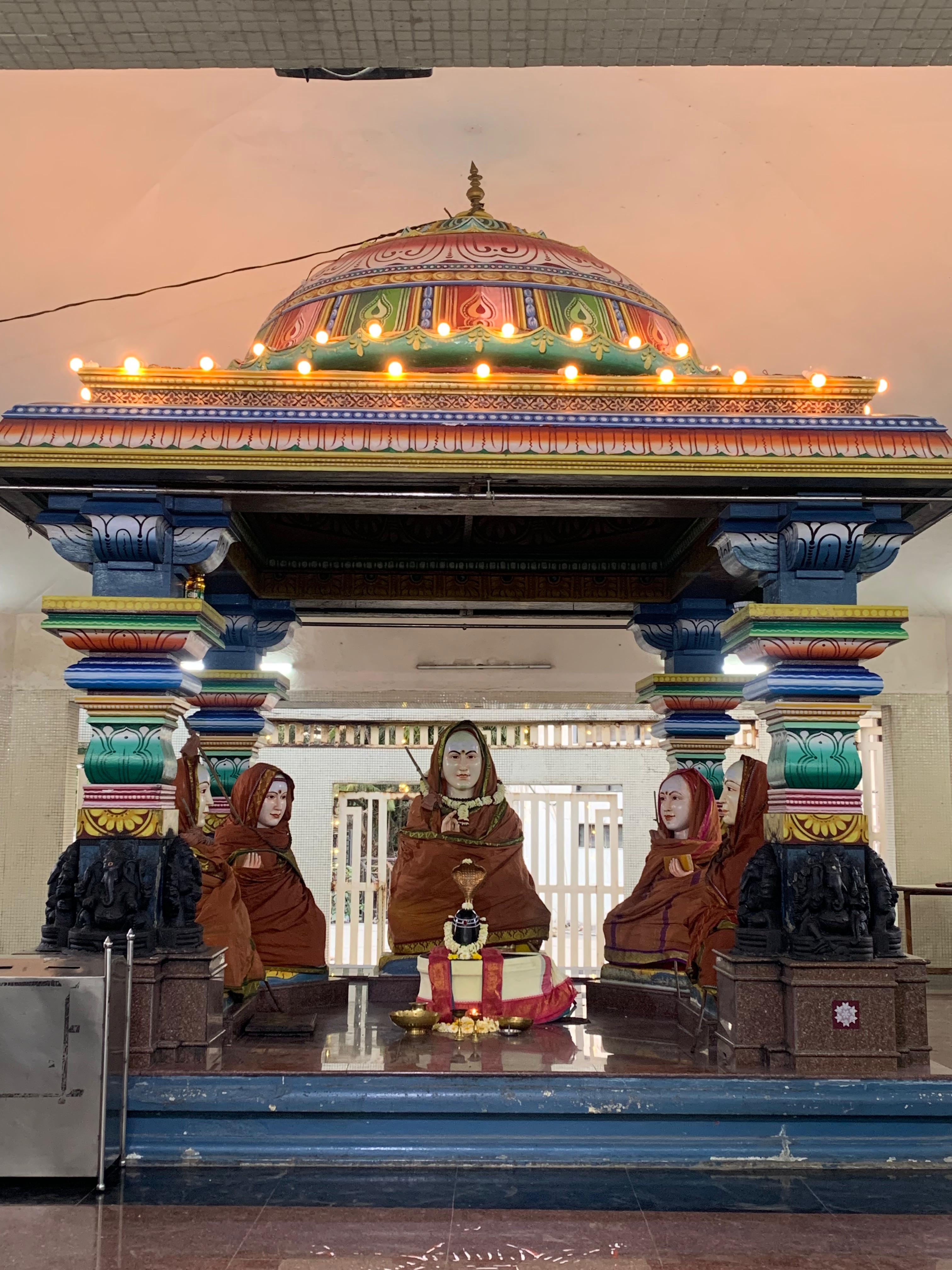
Sri Adi Shankara
The Philosopher of Advaita Vedanta
The shrine of Sri Adi Shankara, seated beneath an ornate canopy with his four principal disciples (Padmapada, Hastamalaka, Totaka, and Sureshwarananda), serves as a beacon of Vedantic wisdom. Shankara is the greatest philosopher and theologian in Hindu tradition.
Divine Mission: Sri Shankara established the non-dual philosophy of Advaita Vedanta, teaching that Brahman alone is real, the world is illusory, and the individual self (Atman) is not different from Brahman (ultimate reality).
Legacy: Though he lived for only 32 years (788-820 CE), Shankara's philosophical contributions revolutionized Hindu thought. He founded four cardinal monasteries (Mathas) across India.
Spiritual Significance: His teachings guide seekers toward self-realization and liberation from the cycle of rebirth.
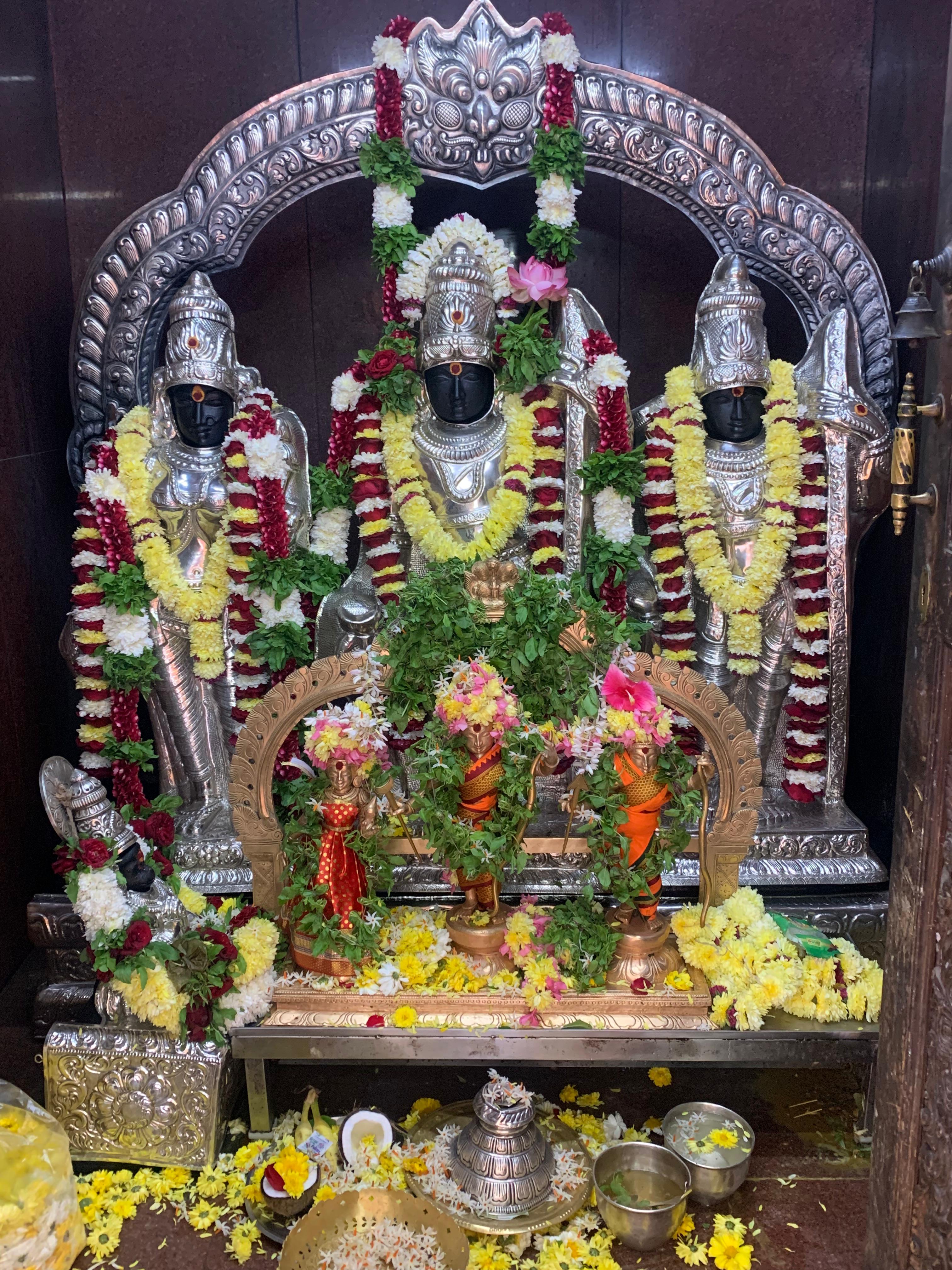
Sri Vishnu
The Preserver of the Universe
Lord Vishnu, the second member of the Hindu Trinity (Brahma, Vishnu, Shiva), presides over the cosmic function of preservation and sustenance. He maintains universal order and protects dharma through his divine interventions.
Cosmic Role: Whenever dharma declines and adharma rises, Vishnu descends to earth in various avatars. The ten major avatars (Dashavatara) include Matsya, Kurma, Varaha, Narasimha, Vamana, Parashurama, Rama, Krishna, Buddha, and Kalki.
Divine Attributes: Vishnu is depicted holding the conch (Shankha), discus (Chakra), lotus, and mace. His consort is Lakshmi, the goddess of prosperity.
Sri Shiva
The Lord of Destruction and Transformation
Lord Shiva, the supreme cosmic principle in Shaivism, embodies the power of destruction and transformation. His destructive power is not meant to annihilate, but to dissolve and recreate, maintaining the eternal cycle of creation.
Divine Symbolism: Shiva is depicted with the third eye on his forehead, symbolizing wisdom and inner vision. The crescent moon adorns his hair, and his body is smeared with ash.
Sacred Observance: Maha Shivaratri, the grand night of Shiva, is celebrated with great fervor at our temple. Devotees observe all-night vigils, perform rituals, and chant sacred mantras.
Spiritual Significance: Shiva represents the highest meditation and asceticism. His worship leads to self-realization and liberation from the cycles of birth and death.
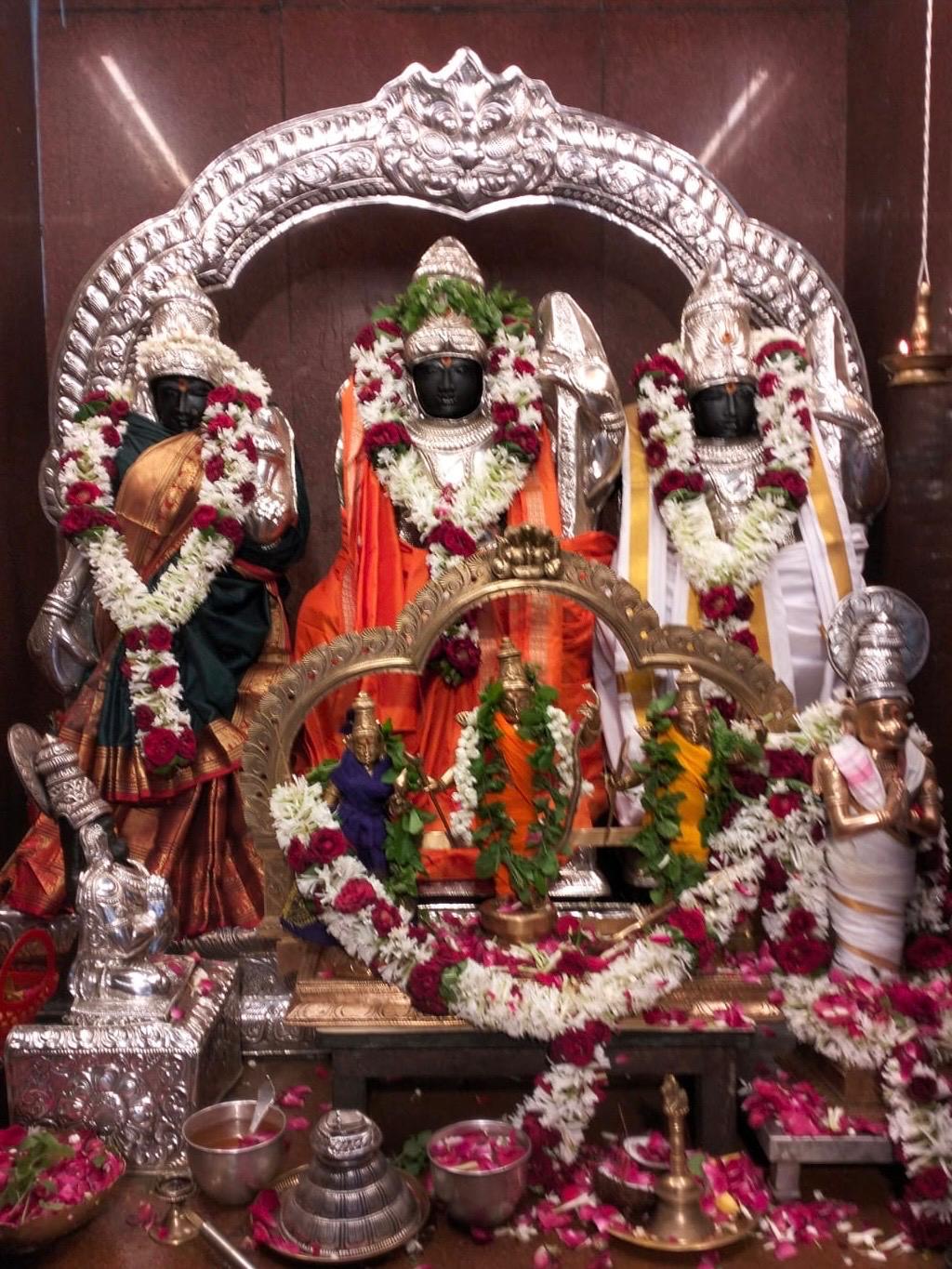
Sri Karthikeya (Murugan)
The Lord of War and Victory
Lord Karthikeya, also known as Murugan, Skanda, and Kumara, is the mighty son of Shiva and Parvati. He is the commander of the divine armies and the destroyer of demonic forces that threaten universal harmony.
Divine Attributes: Karthikeya is depicted riding a peacock (Paravani), his divine vehicle. He carries the Vel (divine spear/lance), which symbolizes the power to pierce through ignorance and delusion.
Spiritual Significance: Karthikeya represents courage, valor, and the warrior spirit. Devotees invoke his blessings for strength, protection, and victory over life's challenges.
Devi Varahi
The Divine Boar Shakti
Devi Varahi is one of the Sapta Matrikas (Seven Mother Goddesses) and a powerful manifestation of Shakti (divine feminine energy). She is the female counterpart of Varaha, the boar avatar of Vishnu.
Divine Form: Varahi is depicted with the head of a boar or bearing the banner of a boar. She embodies the fierce protective power of the divine mother, ready to annihilate evil and protect her devotees.
Spiritual Significance: As a Matrika, Varahi is worshipped as a cosmic mother who brings sustenance, protection, and spiritual nourishment. Devotees seek her blessings for courage, inner strength, and divine protection.
Sri Chandrasekarendra Saraswati Swamigal
The Jagadguru of Kanchi Kamakoti Peetha
The sacred idol of Sri Chandrasekarendra Saraswati Swamigal was consecrated on the same auspicious day as Sri Bhakta Aanjaneya—9 February 2000. He was the 68th Jagadguru of the Kanchi Kamakoti Peetha, one of the four cardinal Advaitic monasteries established by Sri Adi Shankara.
Spiritual Legacy: Sri Chandrasekarendra Saraswati (1894-1994) was a towering figure in Hindu spirituality, revered for his profound knowledge of the Vedas, Upanishads, and Shastra literature.
Divine Presence: His presence in our temple serves as a constant reminder of the unbroken lineage of spiritual wisdom flowing from the Vedic tradition. Devotees seek his blessings for clarity, spiritual guidance, and the attainment of self-knowledge.